Articles
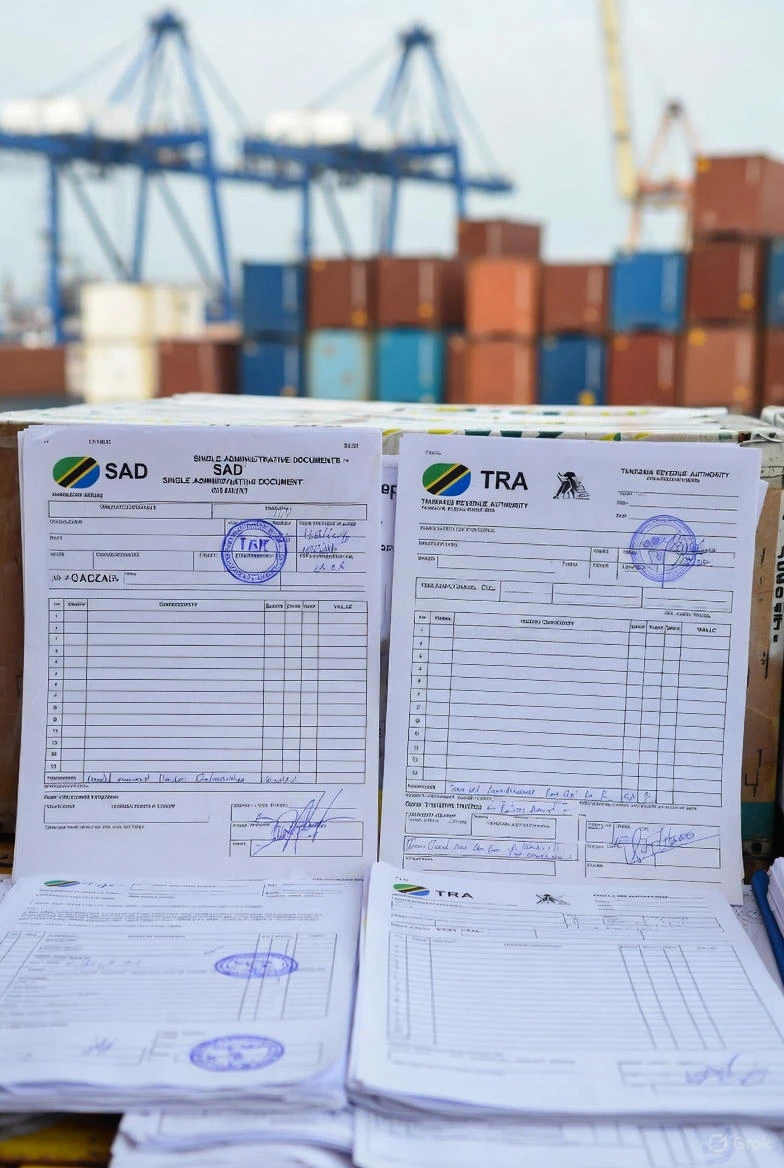
Customs Clearance Documents in Tanzania
Navigating the complex landscape of international trade requires a precise understanding of the regulatory framework, especially when it comes to Customs Clearance Documents in Tanzania. Whether you are a seasoned investor or a new entrepreneur entering the East African market, the difference between a profitable venture and a logistical nightmare often lies in the accuracy of your Customs Clearance Documents in Tanzania.
In this comprehensive guide, we will explore the essential paperwork required by the Tanzania Revenue Authority (TRA) and other regulatory bodies. We will also discuss how setting up the right business structure—such as a
Why Are Customs Clearance Documents in Tanzania So Critical?
The importation process in Tanzania is governed by strict laws under the East African Community Customs Management Act.
Furthermore, having the correct Customs Clearance Documents in Tanzania is not just about compliance; it is about speed. Demurrage charges can accumulate quickly if your cargo is stuck at the port due to missing Customs Clearance Documents in Tanzania. Therefore, understanding the specific requirements for your cargo type is the first step toward successful logistics management.
Essential Customs Clearance Documents in Tanzania
To ensure a smooth flow of goods, you must compile a specific set of Customs Clearance Documents in Tanzania. Below is the standard list required for most general cargo:
1. Import Declaration Form (IDF)
One of the most vital Customs Clearance Documents in Tanzania is the Import Declaration Form. Importers must apply for this document through the Tanzania Customs Integrated System (TANCIS) before the goods arrive.
2. Commercial Invoice
Your Customs Clearance Documents in Tanzania must include a final Commercial Invoice.
3. Bill of Lading (or Airway Bill)
No set of Customs Clearance Documents in Tanzania is complete without the transport document. The Bill of Lading (for sea freight) or Airway Bill (for air freight) acts as the title of deed for the goods. You must present the original copy as part of your Customs Clearance Documents in Tanzania to claim ownership at the port.
4. Packing List
The Packing List is another critical component of your Customs Clearance Documents in Tanzania.
5. Certificate of Origin
To benefit from lower tariffs within the EAC or SADC regions, a Certificate of Origin is one of the essential Customs Clearance Documents in Tanzania.
Business Structures and Import Documentation
The entity importing the goods plays a significant role in how Customs Clearance Documents in Tanzania are processed. For instance, if you are an international company looking to expand, you might register a
Alternatively, smaller traders often operate as
Special Permits and Regulatory Agencies
Depending on the nature of your goods, your standard list of Customs Clearance Documents in Tanzania may need to be supplemented by permits from other government departments.
Tanzania Bureau of Standards (TBS): A Certificate of Conformity (PVoC) is often required as one of your Customs Clearance Documents in Tanzania to prove your goods meet safety standards.
Tanzania Medicines and Medical Devices Authority (TMDA): For food, drugs, or cosmetics, permits from TMDA are mandatory additions to your Customs Clearance Documents in Tanzania.
Investors registered with the Tanzania Investment Centre often enjoy duty exemptions. If you fall under this category, your
The Role of TANCIS and Clearing Agents
Modern processing of Customs Clearance Documents in Tanzania is done digitally via TANCIS.
Choosing the right agent is as important as having the right Customs Clearance Documents in Tanzania. An experienced agent will review your Customs Clearance Documents in Tanzania before submission, checking for errors that could trigger a query. When your Customs Clearance Documents in Tanzania are error-free, you can often secure a "Direct Release" (Green Channel), bypassing physical verification.
Establishing a Presence for Smooth Operations
To handle Customs Clearance Documents in Tanzania efficiently, you need a valid business address. The TRA requires a physical location for VAT and TIN registration. If you are just starting, utilizing
Common Challenges with Customs Clearance Documents in Tanzania
Many importers face rejection because their Customs Clearance Documents in Tanzania are inconsistent. For example, if the weight on the Packing List differs from the Bill of Lading, your Customs Clearance Documents in Tanzania will be rejected. Another common issue is undervaluation on the Invoice. The TRA has a valuation database, and if the values in your Customs Clearance Documents in Tanzania are too low, they will uplift the value, leading to higher taxes and penalties.
To avoid this, ensure transparency in all your Customs Clearance Documents in Tanzania. Preparation is key. Start gathering your Customs Clearance Documents in Tanzania as soon as the supplier confirms the order. Pre-arrival declaration allows you to lodge your Customs Clearance Documents in Tanzania even before the ship docks, saving you time.
Strategic Advice for Importers
Audit Your Papers: Before shipping, send draft copies of your Customs Clearance Documents in Tanzania to your local agent for verification.
Secure Your TIN: You cannot process Customs Clearance Documents in Tanzania without a TIN.
Classify Correctly: Use the correct HS Code in your Customs Clearance Documents in Tanzania to determine the right duty rate.
Leverage Incentives: If you are eligible, use your TIC registration to support your Customs Clearance Documents in Tanzania for tax breaks.
Conclusion
Successfully importing goods requires more than just capital; it requires a mastery of Customs Clearance Documents in Tanzania. From the initial Import Declaration Form to the final Release Order, every piece of paper counts. Whether you are operating a
Do not let paperwork become a barrier to your business success. Ensure your Customs Clearance Documents in Tanzania are handled by professionals who understand the local landscape. If you need assistance with business registration, office setup, or understanding how to align your corporate structure for better management of Customs Clearance Documents in Tanzania, we are here to help.
Ready to streamline your import business?

Company Formation Services in Tanzania

Guide to Establishing a Private Limited Company in Tanzania

Branch or Foreign Subsidiary in Tanzania

Partnerships and Sole Proprietorships in Tanzania Guide

Investment Companies (TIC) in Tanzania
Latest Posts




Ready to start your project? Request your service and begin your journey with us!

International Expert Mohammed bin Rashid bin Adwan